
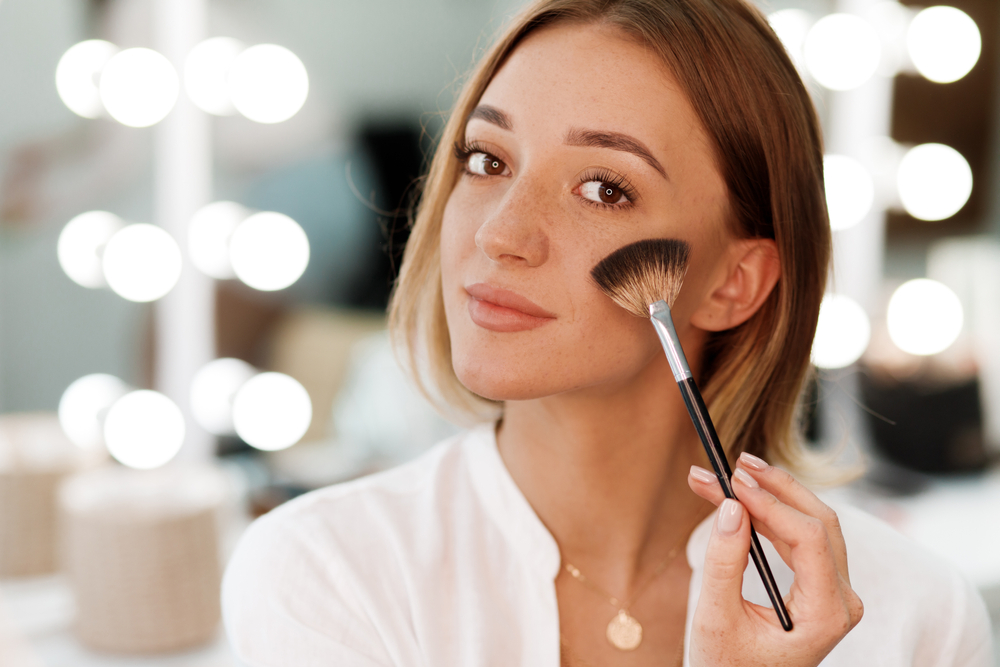
You spent four whole minutes blending the perfect flush. By lunch? Gone. Your cheeks are a blank canvas, and your confidence took an early break. If your blush disappears before your second coffee, relax. You’re not cursed. You’re probably making one (or three) very fixable mistakes.
Let’s troubleshoot like two friends who have both stared into a bathroom mirror at 2 p.m. wondering where the color went.
The Usual Suspects (Spoiler: It’s Rarely the Blush)
Most fading comes down to a short list of culprits:
- A base that’s too slippery or too thirsty
- Products applied in the wrong order
- A formula that doesn’t suit your skin type
- One sheer layer doing all the work
- Too much face-touching (yes, really)
Let’s take them one at a time.
1. Your Base is Playing Hard to Get
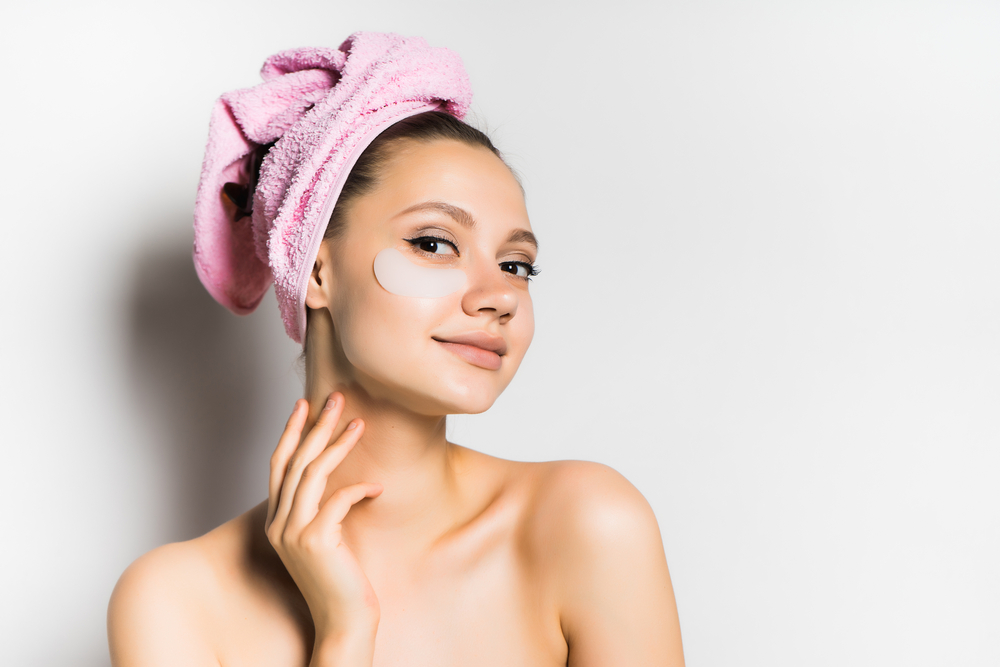
Blush needs something to grip. Pile on a rich moisturizer and a slick primer, then immediately buff on color, and it slides right off.
Go too dry, and pigment clings in patches, then fades unevenly.
The fix:
- Give your skincare five minutes to settle
- Blot any shiny spots with a tissue
- Aim for a thin, even base
That lit-from-within celebrity skin you keep screenshotting? It starts with a well-prepped canvas, not a heavier hand with the blush.
2. Your Order of Operations is Off
Here’s a rule that saves cheeks everywhere: cream and liquid formulas go on before powder. Powder over powder is fine. Cream over powder is a smudgy mess.
Cream blush belongs after foundation and concealer, then gets sealed with a light dusting of powder. Skip that sequence, and even the best pigment struggles to stay put.
It’s the same logic behind applying makeup in the right order. Each layer sets the stage for the next, and shuffling them is how good products end up looking underwhelming by noon.
3. Your Formula and Your Skin Are Not Besties
Not every blush plays well with every complexion. Here’s a quick cheat sheet:
- Oily or combination skin: Try a finely milled powder or a long-wear stain
- Dry skin: Cream or liquid formulas melt in and look fresher
- Normal skin: You’ve got options, lucky you
Mismatched formulas are a top reason blush disappears on otherwise flawless faces. A powder that looks gorgeous at 8 a.m. can go chalky on dry skin. A creamy formula can slip and slide on a shiny T-zone.
If you’ve been loyal to one blush out of habit, this is your permission slip to switch.
4. One Layer Is Not Enough
Here’s the thing about staying power: blush disappears fastest when it’s a single sheer wash. Skin naturally sheds a bit of color through the day, so you need some backup.
Enter layering, the same trick behind flawless cheeks on every red carpet.
Try the sandwich method:
- Tap on a cream blush after your base
- Set lightly with translucent powder
- Add a powder blush in a similar shade on top
The cream-then-powder layering celebrity makeup artists use for contouring works just as well for color. It builds depth, so the top layer can fade a little without leaving you bare.
5. Placement and Highlighter Can Help (or Hurt)

Blush sitting too low on the cheek tends to migrate and blend into your foundation. Aim for the apples and sweep up toward your temples. That angle looks lifted, and the color sits where it’s less likely to smudge.
Highlighter matters too. A sheer, light-catching shimmer on the high points makes your color look brighter for longer. Just keep it strategic and keep it away from the exact same spot as your blush.
The strobing technique is a good primer on how to place glow so it flatters instead of flattening your color.
6. Set It, Then Leave It Alone
Setting spray isn’t a gimmick when it’s used well. A light mist after your makeup helps everything meld into a single, longer-wearing layer.
A few pointers:
- Hold the bottle at arm’s length
- Mist in an X and a T pattern
- Let it air-dry completely (no fanning it like a Broadway diva)
Also, hands off. Resting your chin in your palm, rubbing your cheek, or pressing a phone against your face all wipe away color, and none of us are innocent here.
7. Build in a Touch-Up Plan
Even the best-behaved blush can use a midday refresh. Keep it painless:
- Carry a cream stick or compact: Tap it on with your fingertips over existing makeup
- Blot first: A quick press with a tissue or blotting paper resets the surface
- Use a light hand: You’re topping up color, not starting over
Among the tried-and-true beauty hacks worth stealing, pressing product into skin with your fingertips is a favorite. Warmth helps cream formulas melt in and look like skin instead of paint.
Your Quick Reference Cheat Sheet
Screenshot this one for later:
| Problem | Quick Fix |
|---|---|
| Blush slides off | Let skincare settle and blot shine first |
| Patchy or streaky | Apply cream before powder |
| Chalky by noon | Switch to a cream or liquid formula |
| Fades fast | Layer cream plus powder |
| Migrates | Apply to the apples and blend upward |
| Wears off by afternoon | Mist with setting spray and pack a touch-up |
Common Blush Questions, Answered Fast
Should I apply blush before or after foundation?
After, unless you’re using a powder that you plan to layer over a cream base. Either way, blush goes over your base, not under it.
Why does powder blush look patchy on me?
Usually it’s a skin prep issue. Too much slip from your base (or too little moisture) can make powder grab unevenly. Lightly prep, then apply with a fluffy brush.
Is a stain better than a powder?
It depends on your skin and your routine. Stains often last longer on their own, while powders are easier to adjust. Layering both is a solid middle path.
How much blush should I use?
Start with less than you think and build. Two light layers beat one heavy one every time.
Keep the Color Where It Belongs
So, the next time your blush disappears halfway through the day, don’t blame your favorite pot or your skin. Check your prep, your order, your formula, and your layering. One small tweak often fixes the whole thing.
Start with just one change this week (maybe the cream-then-powder sandwich?) and see how your cheeks hold up. You might be surprised how far a little strategy goes.





Leave A Comment