

We’ve all had that morning. You open your closet with the best intentions, try on three things, hate all of them, and end up sitting on the bed in your underwear, wondering what, exactly, is going on. If you’re currently Googling what to wear when nothing fits, first: you are not alone. Second: this is fixable, and it has nothing to do with your body being the problem.
The real culprits are usually a closet full of the wrong pieces, a few styling habits that aren’t doing you any favors, and zero grace for the fact that bodies change — seasonally, hormonally, after a stressful month, after a great one. This guide is about practical fixes that work right now, today, with what you already own (or with a few smart additions).
Start With Fit, Not Size
The single most important thing you can do when figuring out what to wear when nothing fits is to stop chasing a size label and start chasing fit. A blazer that pulls across the shoulders looks bad regardless of what the tag says. A pair of trousers with two inches of breathing room looks polished and intentional. Size is a number invented by brands that can’t agree on anything — fit is what people actually see.
Go through your closet and pull out everything that fits you right now, in this body, today. Not the jeans you wore two summers ago. Not the dress you’re “almost” back into. What you’ll likely find is that you own more wearable pieces than you think — they’ve just been buried under aspirational items that create daily friction.
The Stretchy Waistband is Not the Enemy
Let’s normalize this: elasticated waistbands are one of fashion’s greatest innovations, and the stigma around them is both classist and exhausting. Wide-leg trousers with a pull-on waist, palazzo pants, linen drawstring trousers — these are all over the runways and in every major retailer right now, and they look incredibly put-together when styled correctly.
Pair a flowy, wide-leg pant with a fitted top and a structured shoe, and you have an outfit. Full stop. The key is balancing volume — if the bottom is relaxed, the top should be a bit more defined, and vice versa.
Dresses Are Doing a Lot of Heavy Lifting Right Now
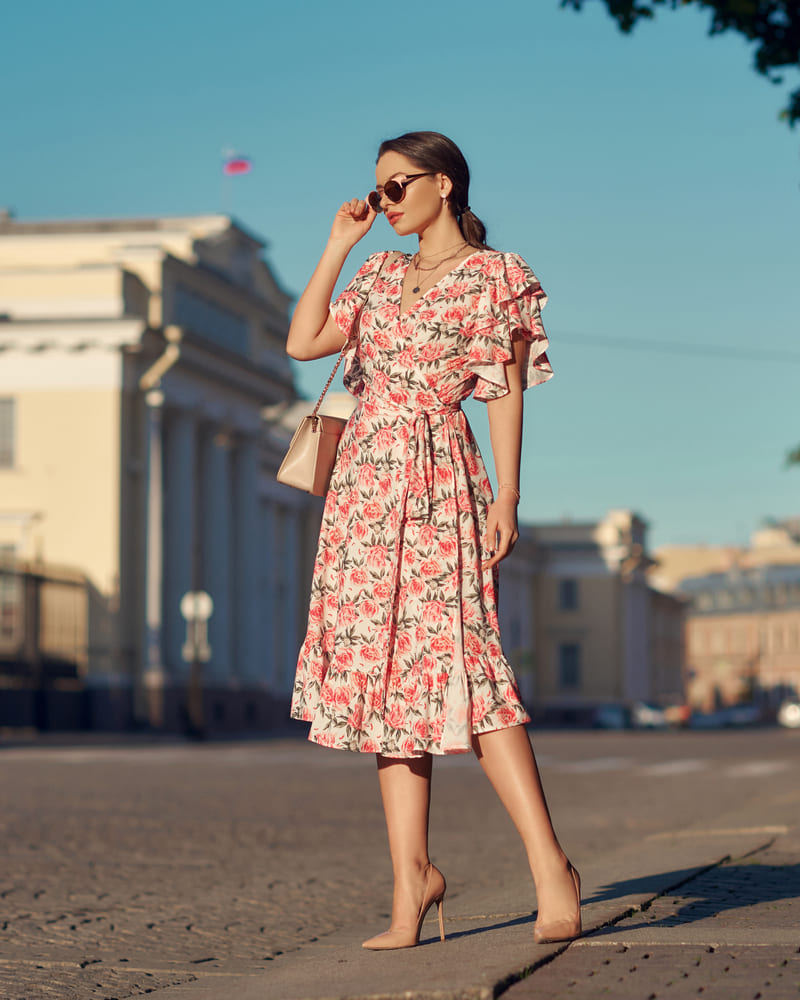
When nothing feels right with separates, a dress is your best friend. One piece, no waistband to negotiate, and nothing to tuck or untuck. Midi dresses, shirt dresses, wrap dresses, and slip dresses are universally flattering because they don’t divide the body at the waist the way separates do.
A wrap dress in particular is the most adjustable garment in existence — you literally tie it to fit your body rather than the other way around. If you don’t own one, it’s worth the investment. It’s the kind of piece that earns its place in the rotation no matter what your body is doing.
Layering is a Styling Superpower
An open button-down, a longline cardigan, a blazer worn loose — layering pieces are how you create shape and proportion without anything needing to fit perfectly underneath. If your jeans are a little snug at the waist, an untucked linen shirt covers it. If your top feels too tight across the back, a lightweight jacket worn open solves the problem instantly.
This isn’t about hiding anything. It’s about building an outfit with structure and intention, which is what stylists do professionally. The goal is always to create a silhouette — and layering gives you control over that silhouette regardless of fit.
Invest in a Few Transitional Pieces That Actually Work
There’s a category of clothing that works across a range of sizes and body changes, and it’s worth knowing what’s in it. Stretchy knit dresses. Oversized blazers. Wrap tops. Pleated trousers with a wide waistband. Bias-cut skirts. These pieces aren’t shapeless — they’re adaptable, and there’s a difference.
If you find yourself stuck on what to wear when nothing fits more than occasionally, it’s worth auditing your wardrobe for these kinds of pieces and making targeted additions. The idea isn’t to overhaul everything — it’s to remove the friction points and replace them with things that show up for you consistently.
Don’t Underestimate What a Good Outfit Does for Your Confidence

This isn’t fluffy wellness talk — it’s real. The right outfit genuinely affects how you carry yourself, how you interact with people, and how the rest of your day goes. Research consistently links what we wear to our mood and performance (there’s even a term for it: enclothed cognition). So if you’ve been pulling on whatever causes the least resistance in the morning and feeling flat all day, that’s not a coincidence.
This connects to something bigger: how you present yourself on the outside often reflects — and reinforces — how you feel on the inside. If you’re working on your overall confidence and wellbeing, your wardrobe is actually part of that picture. It’s worth reading about how somatic practices can help you reconnect with your body — particularly on days when your relationship with it feels complicated.
A Note on Body Changes (Because They’re Normal)
Bodies fluctuate. Hormones, stress, sleep, medications, seasons — so many things affect how your clothes fit from one month to the next. If you’re in a period of change, the answer isn’t to stop caring about how you look or to wait until your body “settles.” The answer is to dress the body you’re in right now, well. That’s not giving up — that’s self-respect.
And if part of the issue is that your overall lifestyle feels off-kilter right now, small resets help. Whether it’s a more sustainable approach to eating or building in more fitness you actually enjoy — these things compound over time and affect everything, including how you feel in your clothes.
Quick Reference: What to Reach for When Nothing Fits
When you’re short on time and patience, here’s your cheat sheet:
- Wrap dress — adjustable, flattering, one piece
- Wide-leg trousers + fitted top — balanced, modern, comfortable
- Oversized blazer over anything — adds structure instantly
- Longline cardigan — layers over problem areas without looking like you’re hiding
- Slip dress + open shirt or blazer — effortless and endlessly adaptable
- Stretchy knit midi dress — zero negotiation required
The Bottom Line
Knowing what to wear when nothing fits is really about reframing the whole problem. It’s not your body that’s wrong — it’s the expectation that your wardrobe should only work under specific conditions. The most stylish people you know aren’t wearing perfectly fitting clothes; they’re wearing clothes they know how to work with. That’s a skill, not a body type, and it’s completely learnable.
Start with what fits today. Build from there. And maybe — just maybe — give yourself a break for the one morning where the jeans win.
Looking for more style and beauty inspiration? Explore our Fashion and Beauty sections for looks, tips, and real talk.









Leave A Comment