
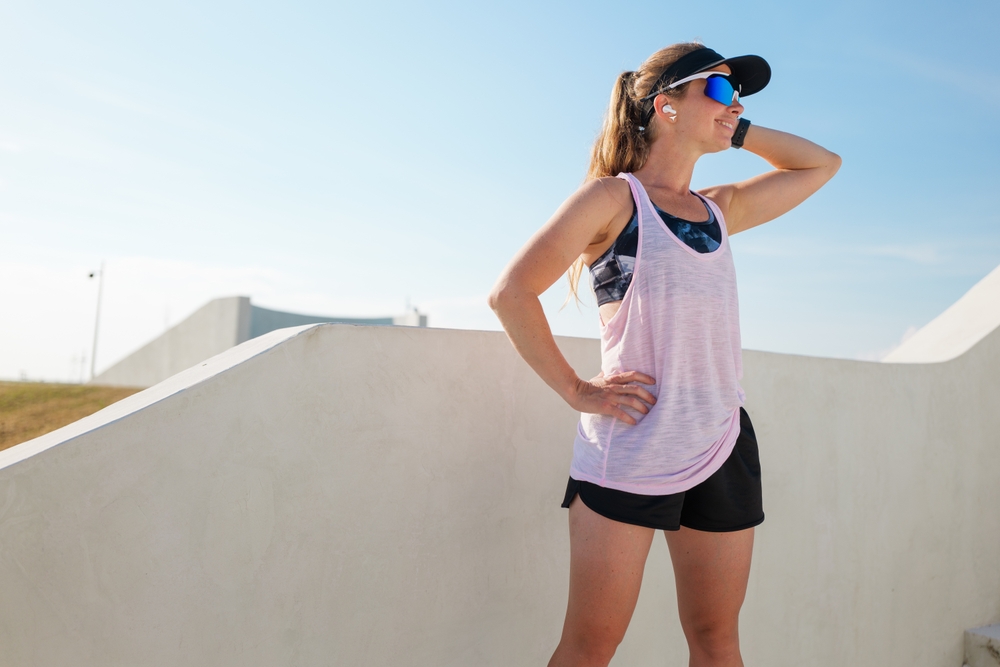
Let’s clear something up: you’re allowed to hate leggings. Nobody is going to revoke your gym membership.
Somewhere along the way, fitness and stretchy tights became a package deal. Rude. If your waistband rolls, your seams chafe, and every squat comes with an opacity prayer, building activewear without leggings isn’t a rebellion. It’s good problem-solving.
Here’s the playbook: diagnose the problem, buy by workout, decode the tag, and test everything before it earns a drawer.
Step 1: Diagnose Your Leggings Grudge
“I hate leggings” is really five different complaints wearing a trench coat. Match yours to the fix:
- Waistband rolls or digs: Look for a flat, wide waistband (about two inches or more) or an adjustable drawstring.
- Overheating: Choose lightweight woven shorts or loose pants with side vents.
- Thigh chafe: Go for lined shorts with a longer inseam, plus anti-chafe balm.
- See-through anxiety: Pick midweight fabric in darker colors, or fully lined bottoms.
- That sweaty-cling feeling: Choose a relaxed fit in a fast-drying woven.
Write yours down. It becomes your shopping filter and stops you from buying cute things that repeat the same mistake.
Step 2: Buy for the Workout, Not the Outfit
Most people hunt for one all-purpose bottom, which is the fastest way to fail at activewear without leggings. You end up with running shorts that hate yoga.
Instead, own one bottom per impact level:
- Low impact (walking, stretching, Pilates): Wide-leg pants or joggers with a soft drape. They’re ideal if your week leans toward hybrid yoga or slow, floor-based somatic exercise, where a tight waistband is basically an enemy.
- Medium impact (lifting, cycling, hiking): Lined shorts with a five-to-seven-inch inseam, or a skort with built-in shorts. The hem should sit above your knee so squats stay unbothered.
- High impact (running, HIIT): Lined running shorts with a three-to-five-inch inseam, or tapered track pants in featherweight nylon.
Three bottoms, three jobs. Everything else is a bonus.
Step 3: Read the Tag Like a Nerd
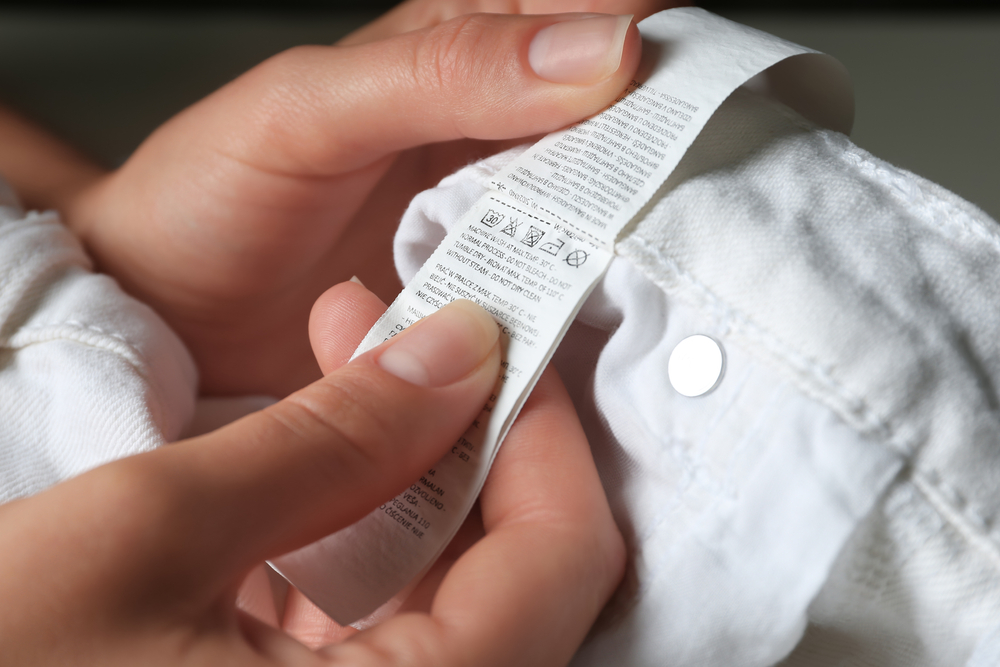
Fabric is where activewear without leggings succeeds or flops. Here’s the cheat sheet:
- Nylon-spandex blends: Smooth, quick-drying, and a little buttery. Great for medium and high impact.
- Polyester: Wicks sweat well but can hold onto odor, so wash it promptly.
- Merino blends: Naturally odor-resistant and temperature-regulating. Perfect for low-impact days and cooler weather.
- Cotton: Fine for slow, low-sweat days. Skip it for cardio, because it stays wet.
Then check the construction. You want flatlock seams (the flat kind that don’t dig in), a gusseted crotch so there’s no center seam to rub, and a liner that’s a proper brief instead of flimsy mesh that rides up.
The opacity test: Stretch the fabric over your hand in the store. If you can clearly see your skin tone, so can everyone behind you at the squat rack.
Step 4: Run the Five-Move Activewear Fit Test at Home
Most try-ons happen standing still, and workouts famously do not. Before you cut any tags, test in bright light in front of a mirror:
- Deep squat: Check the opacity and whether the waistband stays put.
- Forward fold: Look for gaping, bunching, or a liner that migrates.
- High knees (20 reps): Does the hem ride up or the liner shift?
- Overhead reach: Does your top climb, and does the waistband hold?
- Lunge: Check that the hem and any side slits behave.
Then wear them around the house for 20 minutes. If you’re tugging at anything, they’re out. It’s the same logic that works on days when nothing fits: judge clothes in motion, not on a hanger.
Break them in during workouts at home without equipment, where the only judge is your cat. And check the return policy first, since some retailers won’t take back worn activewear.
Step 5: Balance the Top Half
Looser bottoms change your silhouette, so your tops do the balancing:
- Wide or loose bottoms: Pair with fitted or cropped tops.
- Shorts and skorts: Go roomier, with tees or longer tanks.
- Always: Wear a bra that actually supports your activity level. It matters more than any bottom.
Keep your palette to three colors so everything mixes. That’s the same fewer-pieces, better-fabric thinking behind a low maintenance luxury look. Choose shades that flatter your skin tone and you’ll look pulled-together even mid-burpee.
Step 6: Chafe-Proof Your Skirts and Shorts
Skorts aren’t magic. Skin-on-skin friction is the real villain. Your fixes:
- Anti-chafe balm on inner thighs before long sessions.
- Seamless slip shorts under skirts. They stay close to the body without the full-leg squeeze.
- A hem with a bit of grip (a silicone strip or a snug inner band) so nothing migrates north.
Where to Shop (Without Overspending)
- Start small: Buy one piece per category and wear it for two weeks before expanding.
- Raid the men’s and unisex sections: Outdoor and hiking aisles often carry roomier, woven, durable bottoms with better pockets.
- Go secondhand: Track pants and running shorts show up often on resale sites.
- Do the math: A $70 pair worn 100 times costs 70 cents per wear. Cheap pants that live in the drawer cost more.
Make Your Activewear Last
Wash cold, skip fabric softener (it coats technical fibers and dulls their wicking), and air dry. Wash after every sweaty session, because bacteria adore damp fabric.
Your Starter Capsule
Seven pieces, no tights:
- 2 lined shorts (one 3-to-5-inch, one 7-inch)
- A skort
- 1 pair of joggers
- 1 wide-leg pant
- A lightweight track pant
- 1 pair of seamless slip shorts
That’s a complete system of activewear without leggings, and every piece earns its drawer space.
The Bottom Line on Activewear Without Leggings
Hating leggings doesn’t make you less athletic. It makes you picky, which is exactly the trait that builds a wardrobe you’ll actually wear.
Diagnose your complaint, buy by impact level, test in motion, and stay loyal to what feels good. Activewear without leggings isn’t a compromise. It’s an upgrade.
Want more wardrobe fixes that don’t require suffering? Browse the Fashion archive at Lucky Polls for your next outfit upgrade.







Leave A Comment