

If your FYP has convinced you that a bottle of canola oil is basically a tiny vial of poison sitting in your pantry, you’re not alone. Seed oil panic has become one of wellness TikTok’s favorite storylines, right up there with cortisol face and “you’re not drinking enough water” (speaking of which, we’ve covered that one too).
But here’s the real question everyone’s typing into Google at 11 p.m.: are seed oils bad for you, or is this just another wellness trend dressed up as science? Let’s get into it.
What Even Are Seed Oils?
Seed oils are exactly what they sound like — oils extracted from seeds instead of fruits or nuts. Think:
- Canola oil
- Soybean oil
- Sunflower oil
- Corn oil
- Grapeseed oil
They’re cheap, shelf-stable, and neutral-tasting, which is exactly why they’re in everything from your favorite salad dressing to the fries at your go-to drive-thru.
Why the Internet Suddenly Hates Seed Oils
The seed oil discourse didn’t come out of nowhere. It’s rooted in a few real (and a few exaggerated) concerns:
- High omega-6 content — some argue this creates an imbalance with omega-3s in the modern diet
- Industrial processing — high-heat extraction and chemical solvents sound scary, even if the end product is tested safe
- Association with ultra-processed foods — seed oils show up in a lot of packaged, fried, and fast food, so they get blamed by association
That last one is doing a lot of heavy lifting in the “are seed oils bad for you” conversation. It’s less that the oil itself is a villain, and more that it’s often found in the company of foods that aren’t exactly nutrition MVPs.
What the Actual Science Says
Here’s where it gets less dramatic than your For You Page:
Major health organizations, including the American Heart Association, have consistently found that swapping saturated fats (butter, lard) for polyunsaturated fats like most seed oils is linked to better heart health outcomes, not worse ones.
The omega-6 “inflammation” theory is popular, but large reviews of the research haven’t found strong evidence that dietary linoleic acid (the main omega-6 in seed oils) drives inflammation in the way influencers claim. Some studies actually show the opposite.
So when people ask if seed oils are bad for you, expecting a dramatic “yes,” the honest answer is: not inherently, and definitely not in the way social media suggests.
Where the Real Concern Actually Lives
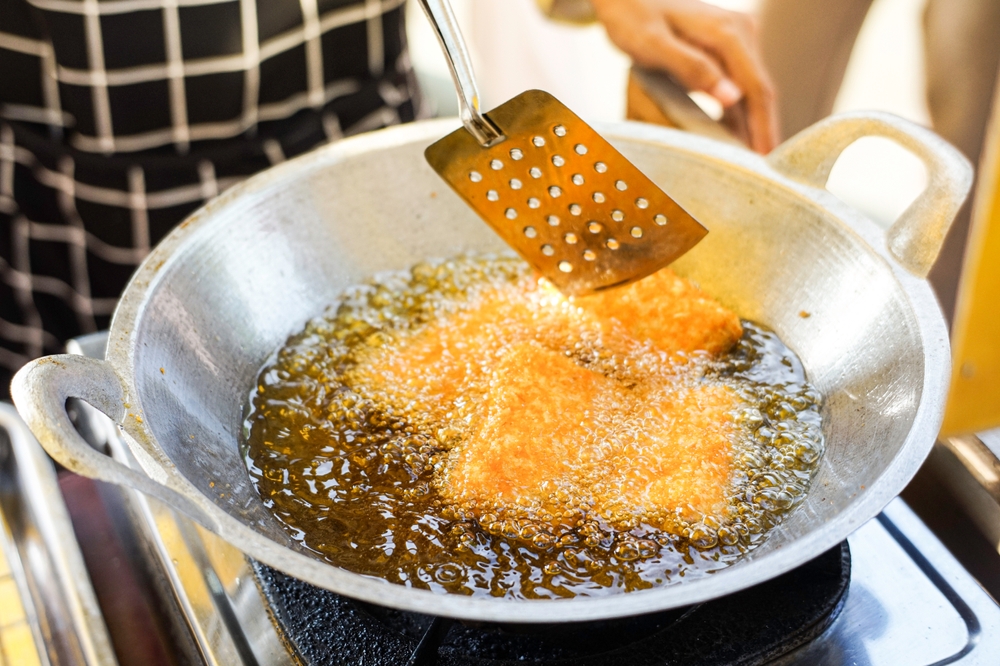
This is the part that gets lost in fifteen-second videos. The issue usually isn’t the seed oil itself — it’s:
- Reused frying oil at high heat, which does create harmful compounds over time
- Overall diet pattern, since seed oils are common in ultra-processed foods
- Quantity, because more oil of any kind means more calories, and balance matters (something we talk about a lot when covering sustainable approaches to eating)
If you’re eating fast food fries five nights a week, the seed oil is not your biggest problem. The frying, the frequency, and the rest of the plate are doing more damage than the oil molecule itself.
So, Should You Toss the Canola Oil?
Not unless you want to. If you enjoy cooking with seed oils, there’s no strong evidence you need to panic-purge your pantry. If you prefer olive oil, avocado oil, or butter for flavor or personal preference, that’s completely valid too — just not because seed oils are secretly sabotaging your health.
A few practical, drama-free tips:
- Don’t reuse frying oil multiple times — that’s where oxidation and harmful byproducts build up
- Balance your fats with a mix of sources: olive oil, nuts, fatty fish, and yes, seed oils are all fine in a varied diet
- Focus on the full plate, not just the oil — a seed-oil-fried vegetable is still better than skipping vegetables altogether
- Watch overall processed food intake, since that’s the stronger link to health outcomes, not the specific fat used
The Wellness Trend Pattern You’ve Seen Before
If this cycle feels familiar, that’s because it is. Wellness culture loves a villain ingredient — sugar, gluten, dairy, and now seed oils have all had their turn in the spotlight. It’s the same energy that turns a low-key celebrity wellness habit into a nationwide obsession overnight: a kernel of legitimate science, amplified into an absolute rule by people without nutrition credentials.
That doesn’t mean every viral health claim is wrong. It means it’s worth checking the actual research before rearranging your entire pantry based on a fifteen-second clip.
The Bottom Line
So, are seed oils bad for you? Based on the current body of research, no — not in the apocalyptic way social media frames it. They’re a normal part of a balanced diet, and the bigger factors for your health are overall diet quality, how food is prepared, and how often you’re eating processed foods versus whole, nutrient-dense options.
Cook with what works for your taste, your budget, and your kitchen — and save the panic for something that actually deserves it.









Leave A Comment