

You’ve upgraded your cleanser. You’re moisturizing like a responsible adult. You even stopped picking at your face (mostly). And yet your forehead is breaking out like it missed the memo.
Here’s the uncomfortable possibility: your skincare routine might not be the problem. Your hair routine might be quietly sabotaging it.
It’s one of those things people overlook because it feels unrelated. Hair is hair, skin is skin. Except… not really. If your products, oils, and habits are constantly coming into contact with your face, they’re part of your skincare, whether you like it or not.
The good news? You probably don’t need a whole new shelf of products. You just need to fix a few habits.
The Overlooked Connection Between Haircare and Skin
Think about how often your haircare products touch your face in a day. Now think about everything sitting in that hair. Conditioner residue, styling products, oils, dry shampoo, whatever you used that morning.
That stuff doesn’t stay politely in place.
- In the shower, shampoo and conditioner rinse down your face, neck, and back
- During the day, your hair brushes against your skin
- At night, it transfers onto your pillowcase and then right back onto your face
It’s a constant loop of contact.
And if those products are even slightly heavy, occlusive, or irritating, they can clog pores or trigger breakouts. This is especially true around the hairline, temples, jawline, and upper back.
This is why you can have clear cheeks but stubborn forehead acne that refuses to cooperate. It’s not random. It’s pattern-based.
The Biggest Offenders in Your Hair Routine
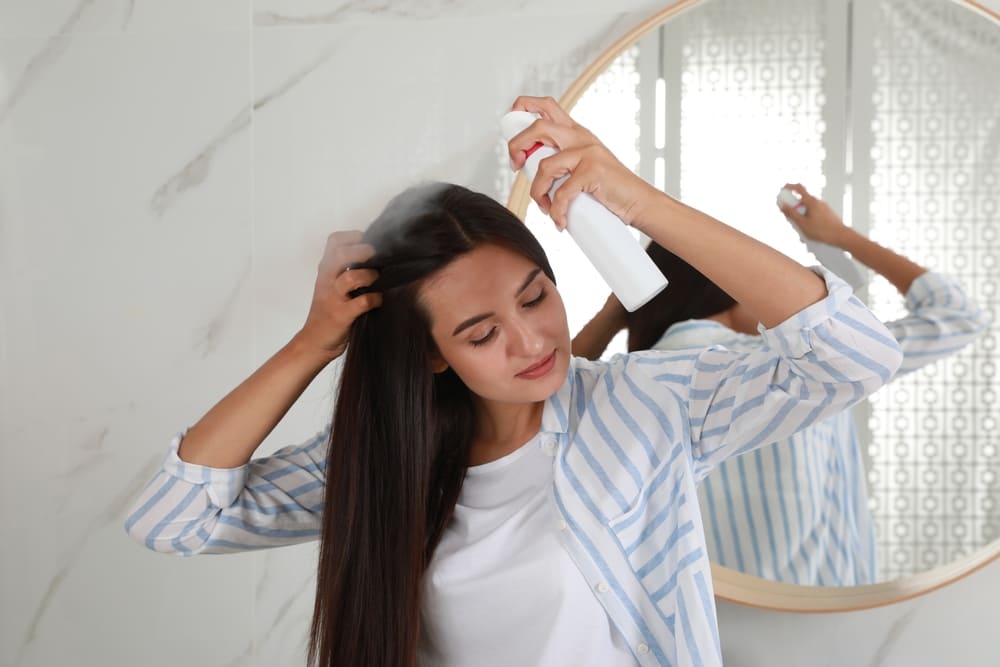
Not all hair habits are created equal. Some are far more likely to mess with your skin than others.
Conditioner Sitting on Your Skin Too Long
Conditioner is designed to coat and smooth your hair. That’s literally its job. The problem is, it’s also very good at coating your skin if you let it.
A common habit: applying conditioner, then letting it sit while you wash your body or shave. Meanwhile, it’s slowly sliding down your back and sitting on your shoulders and hairline.
That’s a perfect setup for clogged pores.
Fix: Condition your hair, let it sit briefly, then rinse thoroughly. If you have longer hair, flip it forward while rinsing so it doesn’t run down your back.
Styling Products (Pomades, Oils, Sprays)
This is where things get sneaky.
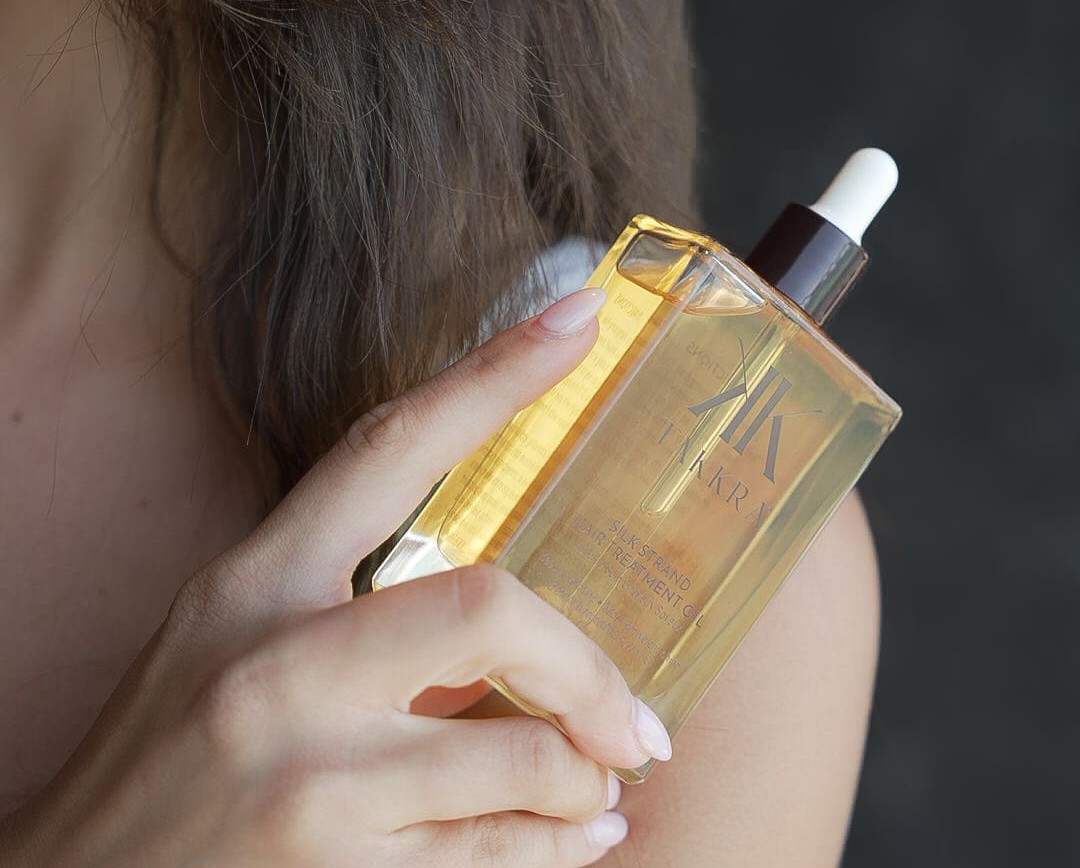
Pomades, waxes, oils, and even some serums are notorious for causing what’s often called pomade acne. Tiny bumps and clogged pores along the hairline and forehead.
These products don’t just stay in your hair. They transfer:
- From hair to hands to face
- From hair to pillowcase to skin
- From hair directly onto your forehead throughout the day
And since many of them are heavier by design, they’re more likely to clog pores.
Shampoo Ingredients That Irritate Skin
Shampoo isn’t always the main culprit, but it can still contribute.
Strong cleansers, heavy fragrance, or certain additives can irritate sensitive skin. This is especially true if they’re rinsing over your face daily.
This doesn’t always lead to classic acne, but it can cause redness, small bumps, or general irritation that makes your skin harder to manage. Fortunately, there are plenty of good ingredients out there.
Dirty Tools and Pillowcases
This one’s less glamorous but very real.
Hairbrushes, curling irons, and pillowcases collect:
- Oil
- Product buildup
- Dead skin cells
- Bacteria
If you’re using them daily without cleaning them, you’re basically reintroducing that mix to your skin over and over.
And no, flipping your pillow to the cool side doesn’t count as cleaning it.
Signs Your Hair Routine is Causing Breakouts
Not all acne is created equal. If your hair routine is the issue, the pattern is usually pretty obvious once you know what to look for.
- Breakouts concentrated along the forehead or hairline
- Tiny, uniform bumps rather than deep cystic acne
- One-sided acne, often matching your sleep side
- Flare-ups after introducing a new hair product
- Problems with your skin barrier
Compare that to hormonal acne, which tends to show up deeper along the chin and jawline. Different cause, different pattern.
If your breakouts are sitting exactly where your hair rests, that’s not a coincidence.
What to Fix First (Before You Buy Anything New)
Before you panic and replace every product you own, start here. These changes solve more problems than people expect.
1. Change Your Shower Order
This is the simplest fix and, weirdly, one of the most effective.
- Shampoo and condition first
- Rinse everything thoroughly
- Then wash your face and body last
That way, you’re removing any residue instead of letting it sit on your skin.
2. Keep Hair Off Your Face (Especially at Night)
If you’re sleeping with product-heavy hair down, you’re basically pressing it into your skin for 6 to 8 hours.
Tie your hair back loosely or use a style that keeps it away from your face. Nothing complicated, just enough to reduce contact.
3. Rethink Leave-In Products
You don’t have to give them up, but placement matters.
- Apply from mid-lengths down
- Avoid the roots and hairline
- Wash your hands after applying
A lot of breakouts come from touching your face without realizing you’ve got product on your fingers.
4. Clean What Touches Your Hair
A quick reset here goes a long way.
- Pillowcases: swap 2 to 3 times a week if you’re breakout-prone
- Hairbrushes: clean weekly, it takes two minutes
It’s not glamorous, but it’s effective.
5. Simplify Before You Upgrade
The instinct is to buy new products. Resist that for now.
Strip your routine down to the basics. Remove anything heavy or unnecessary. Then reintroduce products one at a time.
Otherwise, you’ll never know what’s actually causing the issue.
Do You Need to Switch Your Hair Routine Products?
Sometimes. But not always.
A lot of the time, the problem isn’t what you’re using, it’s how you’re using it.
If you’ve fixed the habits and you’re still breaking out, then it might be worth switching to lighter, less pore-clogging formulas, especially for styling products and leave-ins.
But start with behavior first. It’s faster, cheaper, and usually more effective.
FAQ: Hair Routine and Skin Breakouts
Can greasy hair cause acne?
Yes, it can. Excess oil from your hair can transfer directly onto your skin, especially around the forehead and temples. When that oil mixes with sweat, dead skin, and product residue, it can clog pores and trigger breakouts. This is more likely if you frequently touch your hair or let it rest against your face.
Why do I get acne after washing my hair?
This usually comes down to residue. Shampoo and conditioner often run over your face, neck, and back during rinsing. If you wash your face before your hair or don’t cleanse afterward, that residue can sit on your skin and clog pores. Changing your shower order often fixes this quickly.
Can certain hairstyles cause breakouts?
Yes. Hairstyles that keep hair in constant contact with your face, like bangs or layers that fall forward, can increase the likelihood of breakouts. Tight styles can also trap sweat and oil along the hairline. Keeping hair off your face, especially while sleeping or working out, can reduce irritation and clogged pores. Try some of these hairstyles instead.
It’s Time to Assess Your Hair Routine
If your skin isn’t improving despite a solid luxury skincare routine, it’s worth looking just a few inches up.
Your hair routine is in constant contact with your skin, whether that’s in the shower, during the day, or while you sleep. And small habits, like shower order or product placement, can make a bigger difference than switching cleansers for the tenth time.
So before you blame your moisturizer again, take a look at your conditioner. It might be the real problem.




Leave A Comment